
A short guide
What is red dirt music?
Most people arrive at this channel already knowing. Plenty do not. This is the ten-minute version, with sources you can check.
The short answer
Red dirt, in one paragraph
Red dirt is a strand of country music named after the colour of the soil in Oklahoma. It grew out of the bars around Oklahoma State University in Stillwater, which is still treated as the centre of the genre, and it spread south of the Red River into Texas. Musically it is a blend — country, folk, Americana, rock, honky-tonk and bluegrass — and its defining trait is that it was built outside the Nashville system rather than inside it.
- It is named after dirt
- Literally. The red soil of Oklahoma gave the genre its name.
- Stillwater is the centre
- The scene formed around bars near Oklahoma State University, and Stillwater is still considered its home.
- It is a blend, not a purity test
- Country, folk, Americana, rock, honky-tonk and bluegrass all turn up in it.
- It is not Nashville
- Red dirt describes musicians working outside the mainstream country machine — that independence is the point, not a marketing angle.
The history
Where it came from
Why is it called red dirt?
The name comes from the colour of Oklahoma's soil. It is one of the few genre names in American music that describes a place rather than an instrument, a tempo or an attitude — which tells you how much the geography matters to it.
Who started it?
The songwriter usually named as the father of Oklahoma red dirt is Bob Childers. Over a career spanning three decades he wrote more than 1,500 songs, and more than 200 artists have recorded his material. Childers and Tom Skinner are remembered as the two most influential songwriters working out of The Farm, the Stillwater house that served as the scene's workshop.
Is red dirt the same thing as Texas country?
No, though the two get bundled together constantly. Red dirt has historically pointed north, to the folk and country musicians of Oklahoma; Texas country is its own tradition. By around 2008 the sonic gap between them had largely closed, which is why you now hear the two names used almost interchangeably — and why a channel like this one carries both.
What does it actually sound like?
Rougher than radio country and warmer than folk. Guitars are gritty rather than polished, the vocal is usually unfiltered, and the songs tend to be narrative — small-town life, hard times handled with humour, and a lot of looking backwards. It is dance-hall music before it is arena music.
The short version
Made outside the system, on purpose
Every part of this music — the rooms it was written in, the labels it skipped, the radio it never needed — comes back to one decision to build somewhere else. That is the thread running through all of it.
The places
The rooms that built it
The Farm, Stillwater, Oklahoma
A house rather than a venue. It is where the songwriters who defined the Oklahoma side of red dirt — Bob Childers and Tom Skinner among them — worked out what the music was.
Gruene Hall, Gruene, Texas
Built in 1878 and the oldest continually operating dance hall in Texas. It helped launch George Strait and Lyle Lovett, and it still books new Texas acts alongside touring ones almost every night.
The Blue Light Live, Lubbock, Texas
Opened in 1999 and responsible for an unusual share of the current scene. Josh Abbott, William Clark Green, Wade Bowen, Flatland Cavalry, Dalton Domino, Red Shahan and Brandon Adams have all credited it with helping them find their feet as songwriters and touring acts — and several of them are in rotation on this channel.
Where the bands come from
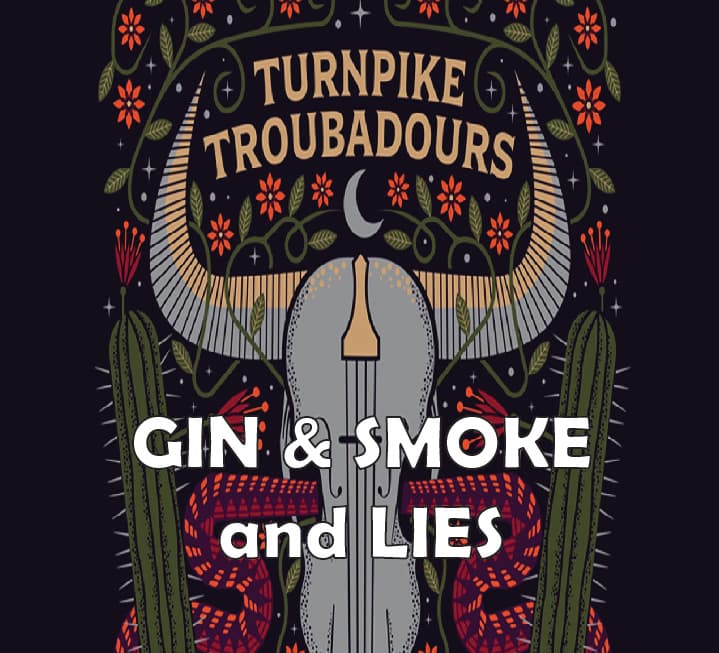
The geography stays stubbornly specific. The Turnpike Troubadours formed in 2005 in Tahlequah, Oklahoma. The Randy Rogers Band came out of San Marcos, Texas. Both are on this channel.
Hear it
Red dirt on this channel
Browse the whole libraryReading about music is a poor substitute. Here is some of it.
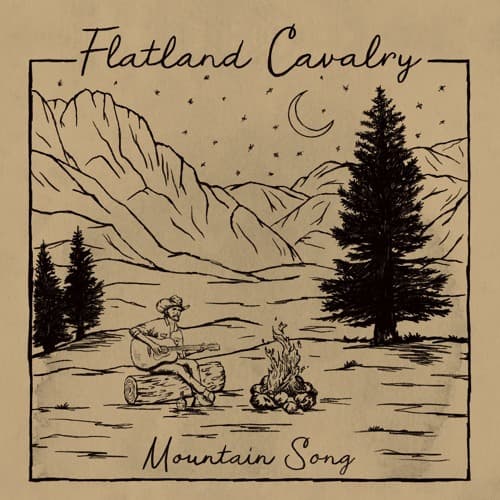
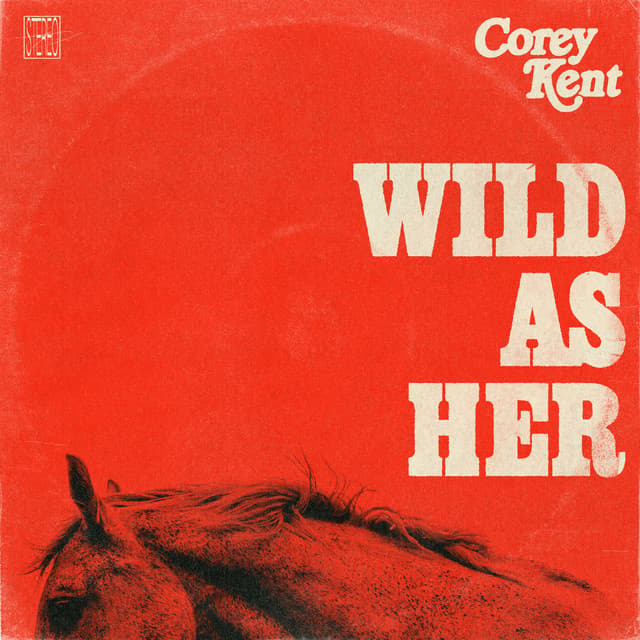
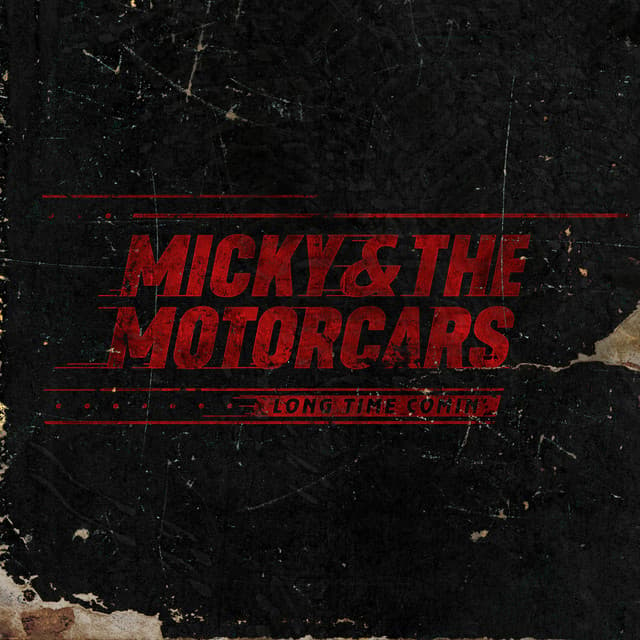
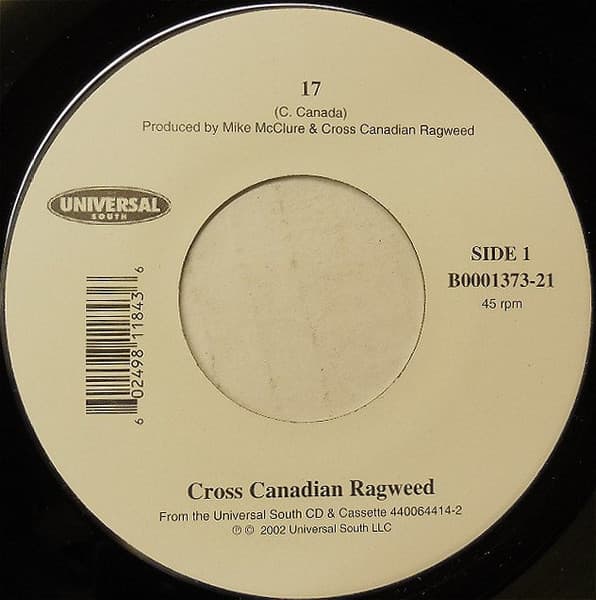
Now the fun part
Go listen to some
The channel plays this all day. It is free, there is no account, and it works on your TV as well as in this browser.
Sources
Where this came from
Every historical claim on this page traces to one of these. We would rather cite than assert.
- Red dirt music — Wikipedia
The name's origin in Oklahoma soil, Stillwater as the centre, the spread into Texas, and the genre blend.
- Bob Childers, Godfather of Red Dirt Music — Visit Stillwater
Childers as the father of Oklahoma red dirt; the song count; The Farm; Tom Skinner.
- Robert Wayne Childers — Oklahoma Historical Society
Biographical detail and career span.
- A Guide To Red Dirt — The Recording Academy
General history and the genre's essential figures.
- Saving Country Music on the Texas country / red dirt distinction
That the two are distinct traditions, and that the gap had largely closed by 2008.
- Gruene Hall
Built 1878; the oldest continually operating dance hall in Texas.
- The Legacy of The Blue Light Live — Wide Open Country
Opened 1999; the artists who credit it.
- Turnpike Troubadours — Wikipedia
Formed 2005 in Tahlequah, Oklahoma.
- Randy Rogers Band — Wikipedia
Formed in San Marcos, Texas.